A voluntary benefits report by the International Foundation of Employee Benefit Plans (IFEBP) found that 74% organizations offer life insurance, 54% offer accident insurance, 52% offer critical illness insurance, and 29% offer hospital indemnity insurance.
These statistics show that organizations are increasingly offering these benefits, making employees feel protected and confident, and driving your company’s success.
Looking to implement voluntary benefits but unsure where to start?
In this guide, we’ll explore what voluntary benefits are, examine the different types of coverage and examples, and demonstrate how a benefits consultant can help make them easier to manage and communicate.
At the end, you can determine if voluntary benefits are worth it.
What Are Voluntary Benefits?
Voluntary benefits, also known as supplementary benefits, are typically programs designed to fill the gap.
- They are optional, so your employees can choose to add them to their core coverage.
- Employees either pay them through payroll deductions, or employers can expand their offerings without the added costs.
- Since they are purchased collectively, their rates are generally lower than if an employee had bought the same coverage on their own.
Advantages of Voluntary Benefits for Employers
In a competitive market, these benefits enable your company to stand out without increasing fixed costs.
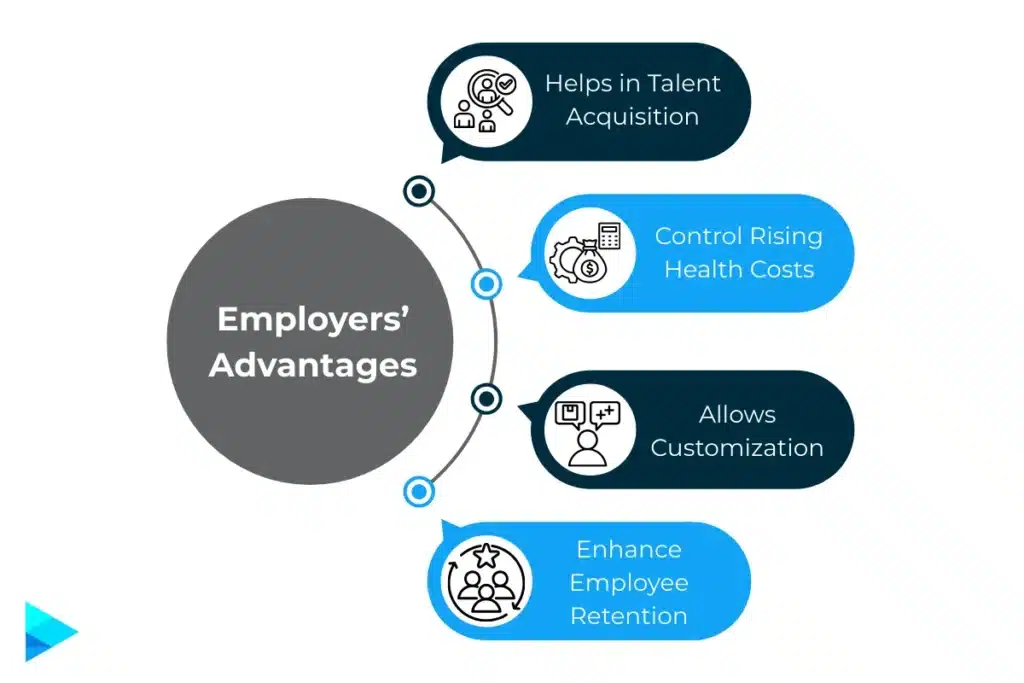
Here’s how they help:
- Helps in Talent Acquisition: In a market where top talent is discerning, a comprehensive benefits package can be the difference between keeping great talent and losing them.
- Control Rising Health Costs: Employees can enjoy discounted group rates at no or low direct costs to the company.
- Allows Customization: As an employer, you can select the voluntary benefits that align with the needs of your workforce.
- Enhance Employee Retention: When your employees feel the company understands their individual needs, they are more likely to be satisfied and stay with the organization.
Advantages of Voluntary Benefits for Employees
For employees, these benefits give them affordable access to coverage while saving them money. Besides, these programs help your team avoid the hassle of managing multiple vendors.
Let’s see why they matter to employees:
- Access Discounted Pricing: The benefits are cost-effective when offered through an employer due to the group rates, which are generally lower than if an employee were to purchase the same coverage on their own.
- Choice over Benefits: Your employees can tailor their benefits to align with their individual needs and lifestyle.
- Provides Convenience: The providers and offerings are already vetted for their usefulness, cost-effectiveness, and validity.
- Provides Peace of Mind: When your team can protect themselves and their families from certain risks, it gives them a sense of security and peace of mind.
- Pre-tax Savings: Some voluntary benefits are deducted pre-tax, increasing your employees’ take-home pay.

Types of Voluntary Benefits
Generally, there are many forms of voluntary benefits available today, but most of them fall under these three categories:
1. Insurance-Based Voluntary Benefits
They are the most traditional, widely recognized voluntary benefits.
The typical examples here are:
- Dental Insurance: Covers routine care, preventive visits, and major dental procedures at a discounted price that doesn’t compare to out-of-pocket costs.
- Vision Insurance: Helps with examinations, contact lenses, discounted LASIK, and other corrective procedures.
- Accident Insurance: Helps to pay a lump sum in certain accidents.
- Life Insurance: Offers additional coverage that kicks in when a specific event documented in the policy takes place.
- Disability Insurance: Replace a portion of the employee’s income during short-and long-term illness, injury, and recovery periods.
- Critical Illness Insurance: Reduces the financial impact of major diseases such as cancer by helping you pay a lump sum benefit.
- Hospital Indemnity Insurance: Helps cover your employees’ expenses related to hospital stays.
2. Financial Wellness Benefits
You can consider these benefits to help your team plan for their future and recover from financial setbacks.
Examples include:
- Identity Theft Protection: Digital security has become increasingly valuable, so this benefit helps monitor and recover from fraud and data breaches
- Student Loan Repayment: Education costs are weighing heavily on younger workers. Therefore, this benefit can ease the financial stress for these employees.
- Emergency Savings: Employees can set money aside for unexpected expenses such as medical bills
- Retirement Plan Add-Ons: Contributions with additional features beyond standard retirement plans, like a 401 (k)
3. Lifestyle Benefits
The modern team can expect benefits that reflect the realities of their daily life. Therefore, voluntary family and lifestyle options help reduce stress outside of work.
Examples include:
- Pet Insurance: Let your employees give their pets the best health care possible.
- Legal Insurance: Allows your employees to access a network of qualified legal representatives.
- Mental Health Support: Your employees can get counseling and mental health resources to help them improve their mental well-being.
- Fertility and Family Planning Support: Designed for your team to take control of their family’s future through access to fertility treatments, adoption, and surrogacy.
- Elder Care Resources: Supports employees with aging parents.
- Wellness and Fitness Programs: Enhance employee health by offering benefits such as gym memberships, home equipment stipends, and discounts for fitness apps.

How Voluntary Benefits Work
As we’ve seen, voluntary benefits act as a shield against unexpected expenses such as mental and financial stresses.
Generally, here are the 6 steps you should follow to implement these benefits:
- Assess Employee Needs: Understand what your employees truly need, which can be influenced by demographics and their life events.
- Plan a Benefits Package: Prioritize benefits based on your team’s preferences and the gaps in basic coverage.
- Conduct a Cost Analysis: Evaluate the cost of delivering the benefits and compare it to the budget. You should also factor in expected expenses, such as premiums, and also indirect costs, such as administrative costs.
- Negotiate with Insurance Providers: Compare plans and negotiate with carriers to secure the best rates.
- Educate Employees: Incorporate meetings and one-on-one sessions to help your team understand their voluntary benefits.
- Monitor Benefits Usage: Continuously assess your program’s success by tracking employee satisfaction, usage, and external trends to inform ongoing improvements. Use the data and tracking reports to make the necessary adjustments.
Voluntary Benefits Examples
Leading companies maximize their health plan value to give them a competitive advantage.
Let’s look at real-world companies that recognize the power of voluntary benefits:
- Google offers its employees voluntary benefits, which include pet insurance, legal assistance, and identity theft protection.
- Uber, the ride-sharing service, offers its drivers retirement savings support.
- Starbucks includes tuition reimbursement and commuter benefits.
- Amazon offers support for elderly care and comprehensive financial planning.
- Walmart expands pet insurance and discounted programs for its employees.

How to Choose the Right Voluntary Benefits Program
As an employer, you must choose the right mix of benefits that your employees value, address the areas they worry about, and make their lives easier.
Follow these steps to select the best benefits program for your organization:
1. Understand Your Employees’ Needs
The first step is to conduct surveys to determine the benefits that are most valuable to your employees’ demographics, such as age, location, or income level.
Besides, align the benefits with your employees’ life stages and personalize the programs accordingly. For example:
- Millennials and Gen Z often prioritize programs that address their mental well-being and help them manage work-life stress, such as student loan repayment programs.
- Baby Boomers and Gen X are interested in benefits that help them with family responsibilities and optimize financial stability, such as elder care.
- Remote and hybrid workers prefer lifestyle benefits, such as wellness stipends, home offices, and internet allowances.
2. Match Benefits to Your Objectives and Budget
Define your program’s goals and align them with your company’s and employees’ needs.
This serves as a guiding framework for creating a benefits package that caters to your business’s objectives:
- Determine what you want to achieve with the benefits, whether it’s retaining top talent or controlling costs.
- If you’re planning to subsidize, determine the cost your organization is willing to take on.
- Evaluate if your organization can handle the added administrative burden.
3. Partner with an Employee Benefits Advisor
Voluntary benefits are an excellent addition to self-funded plans, but only when supported by data-driven insights and fiduciary accountability.
As Ethos Benefits, we are a fiduciary benefits advisor that represents your company’s interests. Here’s how we help:
- Evaluate Provider Options: Assess coverage providers, ensuring you pick one that is transparent and accountable.
- Plan Design: Evaluate different carriers and voluntary plan types to integrate seamlessly with your existing benefit packages and fit your workplace.
- Ongoing Advisory Support: Offer ongoing support to help you make informed decisions about which benefits to opt for.
- Employee Education and Enrollment Support: Partner with your team to clearly communicate the benefits and costs of each benefit.
- Negotiate and Renewal Strategy: Negotiate rates, evaluate the plan design, and manage renewals to keep the costs sustainable year over year.
As fiduciary consultants, Ethos ensures that your voluntary benefits plan remains compliant with ERISA and aligned with the interests of participants.
Schedule a discovery call with us and partner with a fiduciary-minded benefits consultant who brings data, transparency, and simplicity to your voluntary benefits strategy.
4. Use Data to Guide Decisions
Look beyond your employee demographics and surveys. Conduct an employee benefit plan audit to review enrollment patterns and claim data to identify what your employees are already using and what they need.
At the same time, compare your benefits package with those of your competitors.
5. Match the Impact with Administrative Effort
These benefits are most effective when they are easy to manage and communicate. That means you should avoid voluntary programs with more manual work than the value they provide.
However, the right administration partner can help simplify enrollment, employee communication, and claims tracking, allowing you to focus on your business.

Frequently Asked Questions (FAQs)
Got a question about voluntary benefits? Here are some FAQs from businesses and HR professionals:
Are Voluntary Benefits Pre-Tax?
Some voluntary benefits, such as HSA contributions and group term life insurance, fall under Section 125, which might be deducted pre-tax and reduce an individual’s taxable income.
What is the Average Cost of Voluntary Benefits for Employees?
The average cost of benefits for private industry workers is approximately $13.58 per hour worked.
Can Part-Time Employees Enroll in Voluntary Benefits?
While benefits were traditionally reserved for full-time employees, some small businesses are now recognizing that offering part-time employee benefits can help attract talent and build loyalty. They provide the voluntary benefits, but there may be a minimum hours requirement.
Some programs may include legal services and wellness coverage.
Conclusion - Are Voluntary Benefits Worth It?
The short answer is yes. Voluntary benefits are a win-win for everyone involved.
For employers, the right benefits become a powerful tool for competing in the talent market, customizing to meet your employees’ needs, and keeping your team happy.
Voluntary benefits, however, should be transparent, flexible, and tailored to your organization’s unique needs. That’s why you should consider a benefits advisor to help you.
We explain how the structures align with your organization’s best interests. Additionally, we simplify administrative tasks by analyzing utilization and planning your renewals early. Our pricing remains flat and transparent, and it’s not tied to premiums.
Connect with Ethos Benefits today to evaluate carriers, negotiate rates, design the package, and ensure fiduciary compliance.